Running a restaurant is a high-stakes, high-heat operation. You are juggling sizzling pans, aromatic spices, and the constant hustle of service. But beneath the delicious smells and the clatter of plates lies a crucial, often overlooked system: your ventilation ducts. These ducts are the invisible circulatory system of your kitchen, pulling smoke, grease, and airborne contaminants away from your patrons and staff. If this system clogs up, the consequences can range from reduced efficiency to serious health and safety hazards. Given the sheer volume of greasy byproducts generated in a commercial kitchen, the question of how often should restaurant ducts be professionally cleaned is not merely a suggestion—it is a matter of operational necessity and legal compliance. Understanding the science and the schedules involved can help you keep your kitchen running smoothly and safely.
The Science of Grease Buildup and its Impact
Grease buildup isn't just an unsightly mess; it is a serious fire hazard and a significant detriment to your HVAC system's performance. Over time, the constant deposition of cooking fats, particulate matter, and smoke residue acts like a thick blanket, gradually smothering the efficiency of your entire ventilation system.
Understanding the Hazards of Neglect
When ducts are neglected, the problems accumulate quickly, turning a simple maintenance issue into a potential crisis.
- Fire Risk: This is the most immediate and serious threat. Accumulated grease can act as fuel, leading to catastrophic duct fires. These fires are notoriously difficult to extinguish and can compromise the entire building structure. System Inefficiency: Clogged ducts force the fans and motors to work harder, consuming excess energy. This translates directly into higher utility bills—a financial drain that can feel as heavy as a week-old pot roast. Air Quality Deterioration: Dirty ducts circulate stale, oily, and potentially harmful air back into the dining space, affecting both customer comfort and staff health.
Beyond the Fire Code: Health Concerns
While fire safety is paramount, the health implications of dirty ductwork are equally important. The ducts become perfect breeding grounds for mold, mildew, and bacteria. Imagine the ducts acting like a giant, hidden petri dish—it’s not a pretty picture. Maintaining cleanliness ensures that the air being breathed out is as clean as possible, protecting your patrons and employees alike.
Establishing the Cleaning Schedule: How Often Should Restaurant Ducts Be Professionally Cleaned?
Determining the precise frequency is complex because it depends on several variables, making a one-size-fits-all answer impossible. However, established industry best practices and local fire codes provide clear guidelines. When considering how often should restaurant ducts be professionally cleaned, you must treat the schedule as a moving target based on your operational reality.
Key Factors Influencing Frequency
A professional cleaning company will assess your site, but here are the main factors they consider:
- Type of Cuisine: A deep-fryer-heavy Italian restaurant will generate far more grease than a salad bar establishment. The nature of your cooking is the biggest determinant. Operating Hours: Restaurants that operate long hours, especially those open seven days a week, accumulate residue at a much faster rate. Local Regulations: Local fire departments and health departments often have strict mandates regarding how frequently duct cleaning must occur. Ignoring these regulations is not only dangerous but can result in hefty fines.
The General Rule of Thumb
While local codes are supreme, most experts recommend a minimum cleaning cycle to mitigate risk. Generally, if you operate a high-volume, grease-intensive kitchen, inspections and cleaning should happen at least quarterly (every three months). For lower-volume operations, semi-annual cleaning might suffice, but never let convenience become a substitute for safety.
"Prevention is better than cure, especially when dealing with pressurized grease and flammable materials." — An industry veteran’s wisdom.
Understanding the Professional Cleaning Process
When you finally decide it’s time to address the issue, what does a professional cleaning entail? It’s much more than just a quick wipe-down.
What to Expect During a Professional Service
A comprehensive duct cleaning service is meticulous and systematic. They are essentially treating your ducts like a major artery that needs deep flushing. The process typically involves:
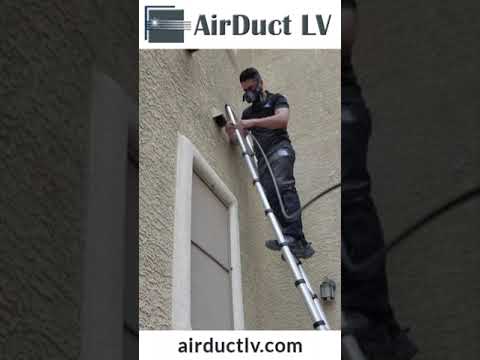
- Inspection: Using specialized cameras and tools to identify areas of buildup and structural weaknesses. Removal: Utilizing industrial-grade vacuum equipment and specialized chemicals to safely strip away all accumulated grease, carbon, and particulate matter. Flushing and Sanitizing: The ducts are thoroughly flushed with appropriate solvents to ensure no residue remains. Reporting: Providing you with a detailed report outlining the work done, the materials used, and the next recommended service date.
The Importance of Choosing the Right Professional
Not all cleaning services are created equal. You need a company that is not only licensed and insured but that also has specific experience working with commercial kitchen HVAC systems. A reputable service treats your ducts like a critical piece of fire safety equipment, not just another maintenance item.
Maintaining Optimal Airflow Between Professional Cleanings
The cleaning process is only half the battle. Maintaining a clean system between professional cleanings requires diligence from your staff.
Daily and Weekly Best Practices
You can prevent a lot of buildup through simple operational changes:
- Grease Traps: Ensure that all grease traps and filters are regularly cleaned and maintained. Equipment Cleaning: Implement strict daily cleaning protocols for all cooking equipment, ensuring no grease spills into the ventilation hood system. Monitoring: Train staff to be mindful of odors and performance issues. If the air quality suddenly changes or the exhaust fan sounds strained, it’s a sign the system needs attention.
We live by the adage that an ounce of prevention is worth a pound of cure. By adopting these habits, you are keeping your system operating like a well-oiled machine, not a clogged swamp.
Securing Your Kitchen’s Ventilation Future
Ultimately, the goal of managing your ventilation system is twofold: ensuring compliance and guaranteeing safety. Don't wait for a fire scare or a health inspection warning to prompt action. Treat the maintenance of your ducts with the same seriousness you treat your food safety standards.
By establishing a clear, proactive schedule and selecting a trusted, experienced cleaning partner, you are doing more than just cleaning ducts—you are safeguarding your business, your employees, and https://gregorystju101.lucialpiazzale.com/mastering-grease-duct-cleaning-sydney-commercial-rates-protecting-your-business-from-hidden-hazards your customers. If you are unsure about how often should restaurant ducts be professionally cleaned, the safest answer is: when the professionals tell you to, and at least on a schedule that meets or exceeds your local fire code requirements. Investing in regular professional duct cleaning is not an expense; it is a critical insurance policy for your business continuity.